


Blog
Wheel Alignment & Balancing – Complete Beginner Guide

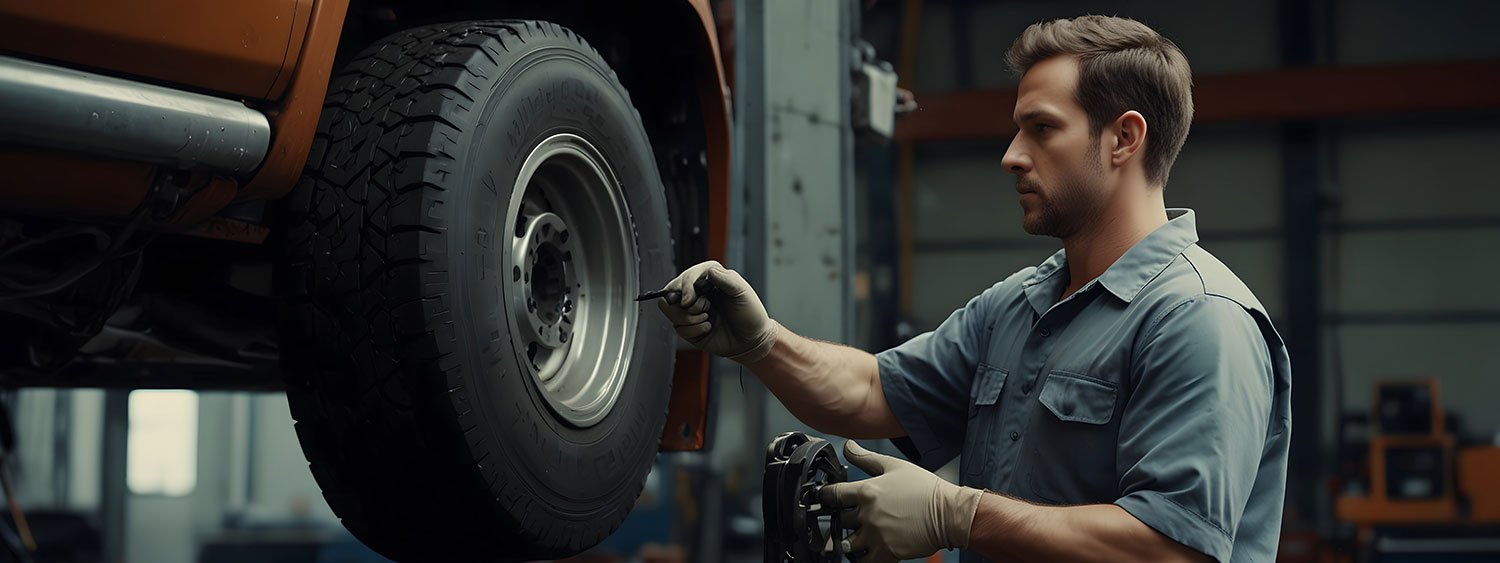
Many car owners hear the terms wheel alignment and wheel balancing during service visits but don’t fully understand what they mean. While they sound similar, both play different but equally important roles in your car’s safety, comfort, and tyre life.
This beginner-friendly guide explains what wheel alignment and balancing are, why they matter, and when you should get them done.
What Is Wheel Alignment?
Wheel alignment refers to adjusting the angles of the wheels so they are set according to the vehicle manufacturer’s specifications.
Correct alignment ensures that tyres meet the road at the proper angle.
Key Wheel Alignment Angles Explained
1️⃣ Camber
- Tilt of the wheel when viewed from the front
- Too much tilt causes inner or outer tyre wear
2️⃣ Toe
- Direction tyres point relative to the centre line
- Incorrect toe leads to rapid tyre wear
3️⃣ Caster
- Angle of the steering axis
- Affects straight-line stability and steering return
What Is Wheel Balancing?
Wheel balancing ensures that the weight of the wheel and tyre assembly is evenly distributed.
Small weights are added to the wheel to eliminate vibrations.
Why Wheel Alignment Is Important
Correct wheel alignment helps:
- Maintain straight steering
- Prevent uneven tyre wear
- Improve handling & cornering
- Enhance driving safety
Misalignment can cause tyres to wear out much faster.
Why Wheel Balancing Is Important
Proper wheel balancing ensures:
- Smooth driving at all speeds
- Reduced steering vibration
- Better tyre life
- Less stress on suspension components
Unbalanced wheels cause vibration, especially at higher speeds.
Alignment vs Balancing: Key Differences
| Wheel Alignment | Wheel Balancing |
| Adjusts wheel angles | Balances wheel weight |
| Affects steering direction | Affects vibration |
| Prevents uneven wear | Improves smoothness |
| Done as needed | Done during tyre change |
Signs Your Car Needs Wheel Alignment
- Vehicle pulls to one side
- Uneven or rapid tyre wear
- Steering wheel off-centre
- Poor handling
Signs Your Car Needs Wheel Balancing
- Steering wheel vibration
- Shaking at higher speeds
- Uneven tyre wear
- Noisy ride
How Often Should Alignment & Balancing Be Done?
Wheel Alignment
- Every 10,000–15,000 km
- After hitting potholes or curbs
- After suspension repairs
Wheel Balancing
- Every time tyres are replaced
- If vibration is noticed
- Every 10,000 km (recommended)
Importance for Indian Road Conditions
Indian roads often have:
- Potholes
- Uneven surfaces
- Speed breakers
These can easily disturb alignment and balance, making regular checks essential.
Alignment & Balancing for SUVs, EVs & Luxury Cars
- SUVs & EVs are heavier and need precise alignment
- EVs produce high torque, affecting tyres faster
- Luxury cars require perfect alignment for smooth handling
Premium tyres like Pirelli perform best when properly aligned and balanced.
Why Get Alignment & Balancing from an Authorized Dealer?
Authorized dealers offer:
- Advanced alignment machines
- Trained technicians
- Correct manufacturer specifications
- Tyre inspection during service
FAQs
Q1. Is alignment needed for new tyres?
Yes. Alignment ensures new tyres wear evenly.
Q2. Can balancing fix steering pull?
No. Steering pull is usually an alignment issue.
Q3. Is alignment expensive?
It is affordable and saves money by extending tyre life.
Final Thoughts
Wheel alignment and balancing are essential for safe driving, longer tyre life, and smooth performance. Ignoring them can lead to uneven tyre wear, poor handling, and unnecessary expenses.
Make alignment and balancing part of your regular vehicle maintenance routine and enjoy a safer, smoother drive.

