


Blog
When Should You Replace Your Car Tyres? Signs You Shouldn’t Ignore

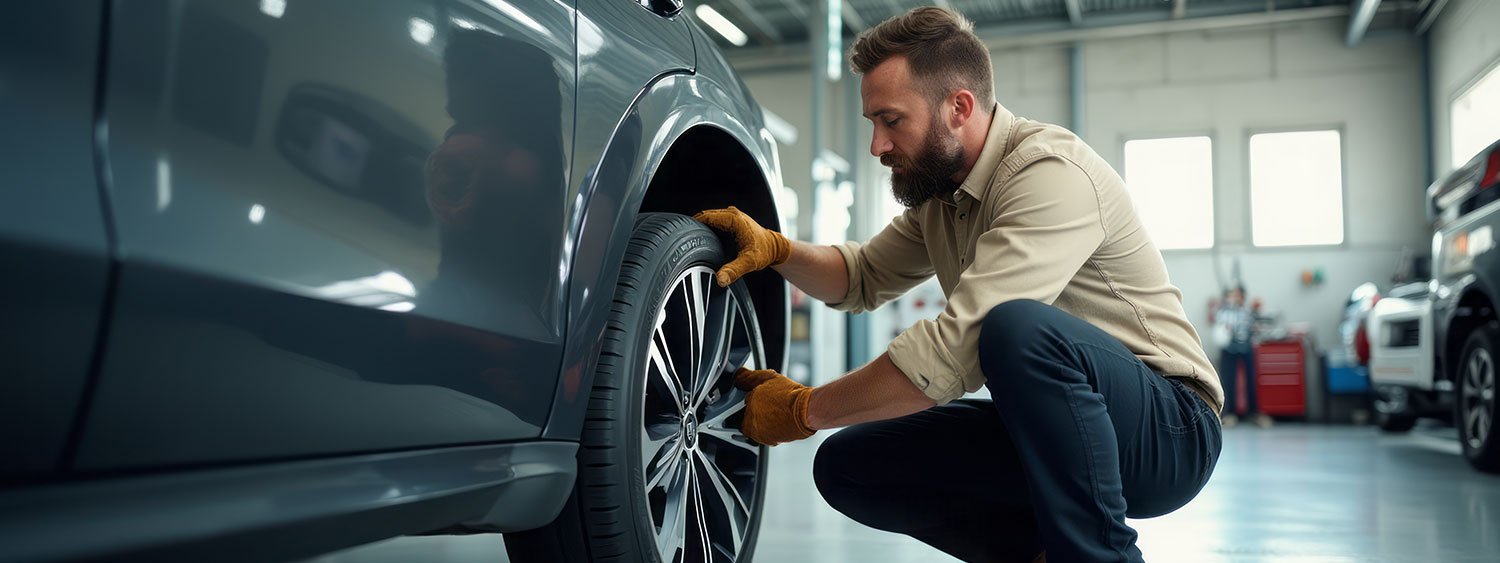
Car tyres are the only part of your vehicle that stays in direct contact with the road. Over time, tyres wear out and lose their ability to provide proper grip, safety, and comfort. Many car owners delay tyre replacement, not realizing the risks involved. In this blog, we’ll explain when you should replace your car tyres and the warning signs you should never ignore.
Why Timely Tyre Replacement Is Important
Driving on worn-out tyres can lead to:
❌ Reduced braking performance
❌ Poor grip, especially on wet roads
❌ Higher chances of tyre burst
❌ Increased fuel consumption
❌ Unsafe handling at high speeds
Replacing tyres at the right time ensures safety, better mileage, and peace of mind.
How Long Do Car Tyres Last?
On average, car tyres last:
40,000 – 50,000 km under normal driving conditions
5–6 years from the manufacturing date, even if tread looks fine
Factors affecting tyre life:
Road conditions
Driving style
Vehicle load
Wheel alignment & balancing
Tyre maintenance
Top Signs You Should Replace Your Car Tyres
1️⃣ Tread Depth Is Too Low
Tyre tread helps maintain grip, especially on wet roads.
Minimum legal tread depth: 1.6 mm
Recommended replacement: below 2–3 mm
👉 Insert a coin into the tread; if most of it is visible, it’s time to replace.
2️⃣ Cracks on Sidewall or Tread
Visible cracks or cuts indicate ageing rubber.
Caused by heat, sunlight, and long-term usage
Increases risk of sudden tyre failure
👉 Replace immediately if cracks are deep.
3️⃣ Frequent Air Pressure Loss
If you need to inflate tyres often:
It could be due to internal damage
Sidewall weakness or bead leakage
👉 Don’t ignore frequent air loss—it’s a serious warning sign.
4️⃣ Bulges or Blisters on Tyres
Bulges indicate internal structural damage.
Commonly caused by hitting potholes or curbs
High risk of tyre burst
👉 Replace the tyre immediately. Repair is not safe.
5️⃣ Excessive Vibration While Driving
If steering wheel or seat vibrates unusually:
Uneven tyre wear
Internal tyre damage
Alignment issues
👉 Get tyres checked and replace if required.
6️⃣ Uneven Tyre Wear
Common patterns:
Inner or outer edge wear – alignment issue
Centre wear – over-inflation
Shoulder wear – under-inflation
👉 Uneven wear reduces tyre life and safety.
7️⃣ Tyres Are More Than 5–6 Years Old
Even if tread looks good:
Rubber hardens over time
Grip reduces significantly
👉 Check the DOT code to find manufacturing year.
When Should You Replace All Four Tyres?
You should replace all tyres together if:
All tyres are equally worn
Vehicle is AWD or 4WD
You want balanced handling and braking
If replacing only two tyres, always install new tyres on the rear axle for better stability.
Best Time to Replace Tyres in India
Ideal times:
Before monsoon season
Before long highway trips
When upgrading performance or comfort
Wet roads demand good tread depth and rubber quality.
Why Choose Premium Tyres?
Premium tyres like Pirelli offer:
Better wet & dry grip
Shorter braking distance
Lower road noise
Enhanced driving comfort
Superior high-speed stability
They are especially recommended for luxury and performance vehicles.
Buy Tyres from an Authorized Dealer
Always purchase tyres from an authorized dealer to ensure:
✅ Genuine products
✅ Manufacturer warranty
✅ Fresh stock
✅ Expert tyre recommendation
✅ Professional fitment
Frequently Asked Questions (FAQs)
Q1. Can I drive with worn-out tyres for a few more months?
Not recommended. Worn tyres are unsafe and increase accident risk.
Q2. Should I replace tyres based on age or kilometres?
Both matter. Replace tyres if they cross 5–6 years even with low usage.
Q3. Is wheel alignment necessary after tyre replacement?
Yes. Alignment and balancing ensure proper tyre life and safety.
Final Thoughts
Your tyres play a crucial role in your car’s safety and performance. Ignoring worn tyres can lead to dangerous situations, especially on highways and wet roads. If you notice any of the signs mentioned above, don’t delay tyre replacement.
Choose high-quality tyres from an authorized dealer to enjoy safer, smoother, and more confident driving.

