


Blog
Correct Tyre Pressure: Why It Matters More Than You Think

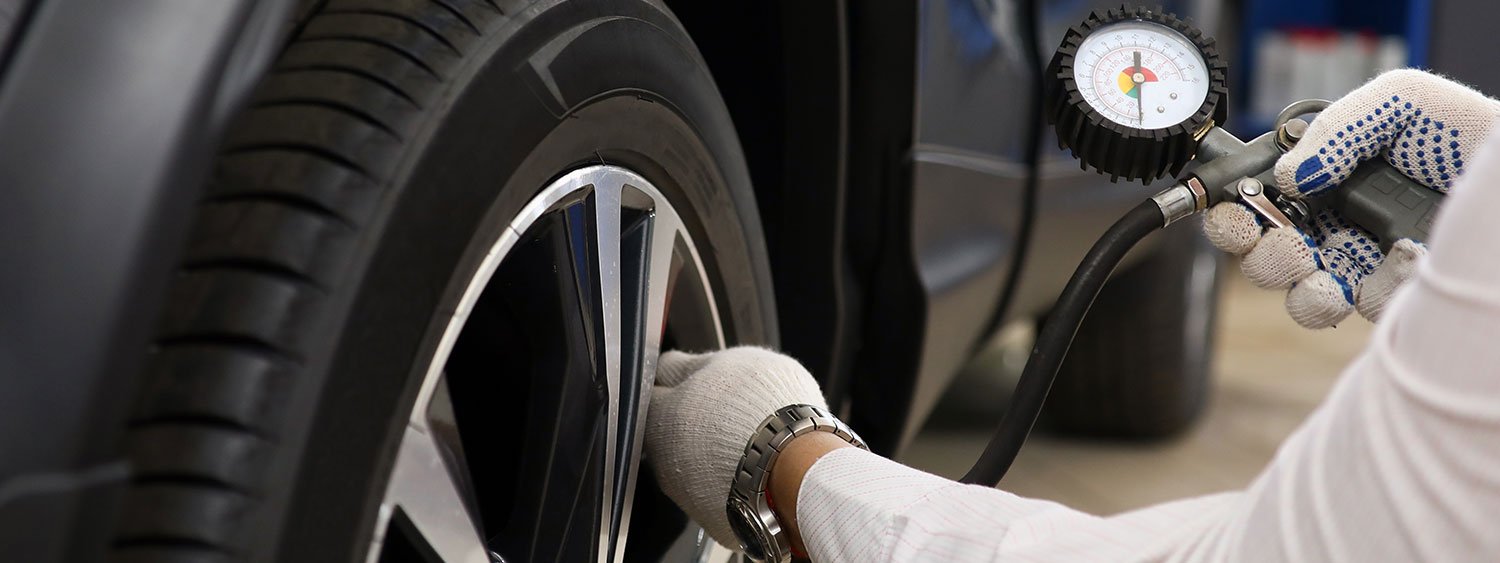
Most car owners check tyre pressure only when a warning light appears or during routine servicing. However, maintaining correct tyre pressure is one of the most important—and often ignored—factors affecting your car’s safety, mileage, comfort, and tyre life.
In this blog, we explain why correct tyre pressure matters, the risks of incorrect pressure, and how to maintain it properly on Indian roads.
What Is Tyre Pressure?
Tyre pressure refers to the amount of air inside your tyre, measured in PSI (pounds per square inch) or BAR.
Each vehicle has a manufacturer-recommended tyre pressure, designed to provide the best balance of performance, safety, and comfort.
Where to Find the Correct Tyre Pressure?
You can find the recommended tyre pressure:
- On the driver-side door sticker
- Inside the fuel lid
- In the owner’s manual
👉 Front and rear tyres may have different pressure values.
Why Correct Tyre Pressure Is So Important
1️⃣ Improves Safety
Correct pressure ensures:
- Better grip on the road
- Shorter braking distance
- Stable cornering
Under-inflated or over-inflated tyres can compromise vehicle control.
2️⃣ Increases Tyre Life
Incorrect pressure leads to uneven wear:
- Under-inflation → shoulder wear
- Over-inflation → centre tread wear
Maintaining proper pressure helps tyres wear evenly and last longer.
3️⃣ Boosts Fuel Efficiency
Under-inflated tyres create higher rolling resistance, forcing the engine to work harder.
✔️ Correct pressure can improve fuel efficiency by up to 3–5%.
4️⃣ Enhances Ride Comfort
Tyres inflated to the correct level:
- Absorb road shocks better
- Reduce vibrations
- Offer smoother driving experience
Over-inflated tyres make the ride harsh and bumpy.
5️⃣ Prevents Tyre Damage & Blowouts
Low pressure causes:
- Excessive heat buildup
- Sidewall damage
- Increased risk of tyre bursts
Correct pressure keeps tyres cooler and safer.
Risks of Incorrect Tyre Pressure
❌ Under-Inflated Tyres
- Poor mileage
- Reduced steering response
- Faster tyre wear
- Higher risk of blowouts
❌ Over-Inflated Tyres
- Reduced grip
- Uneven tread wear
- Harsh ride
- Increased risk of impact damage
How Often Should You Check Tyre Pressure?
- At least once every 2 weeks
- Before long highway trips
- When driving with heavy load
- After temperature changes
👉 Always check pressure when tyres are cold.
Tyre Pressure Tips for Indian Roads
- Increase pressure slightly when carrying heavy luggage
- Reduce speed on pothole-filled roads
- Check pressure before monsoon season
- Don’t rely only on visual inspection
Tyre Pressure for SUVs, EVs & Luxury Cars
- SUVs & EVs require higher load capacity
- EVs need accurate pressure for better driving range
- Luxury cars need precise pressure for handling & comfort
Premium tyres like Pirelli are engineered to perform best at the recommended pressure levels.
TPMS: Tyre Pressure Monitoring System
Many modern cars come with TPMS, which alerts you when pressure drops.
👉 TPMS is helpful, but manual checks are still important for accuracy.
FAQs
Q1. Can I use nitrogen instead of air?
Yes. Nitrogen maintains pressure longer but does not replace regular checks.
Q2. Should tyre pressure be higher in summer?
No. Follow manufacturer recommendations regardless of season.
Q3. Does tyre pressure affect braking?
Yes. Incorrect pressure increases braking distance.
Final Thoughts
Correct tyre pressure plays a crucial role in road safety, tyre life, fuel efficiency, and comfort. A few minutes spent checking pressure can prevent accidents, save money, and extend tyre life.
For best results, maintain tyre pressure as recommended and consult an authorized tyre dealer for professional guidance.

